
Opening Hours
- Mon to Fri: 09.00 to 18.00
- Saturday: 10.00 to 16.00
- Sunday: 10.00 to 14.00
Quick Contact
- (+91) 857 302 7162
- samvednahospitalvns@gmail.com
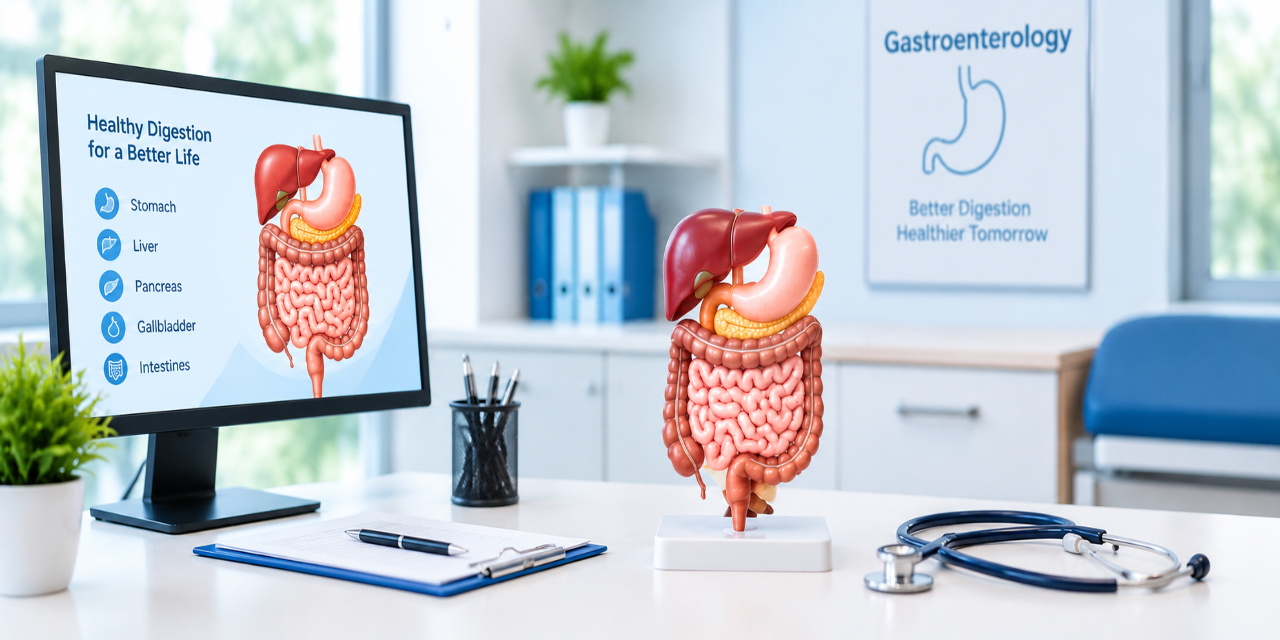
Gastroenterology
Under gastroenterology, the health of stomach, liver and intestine is taken care of. The specialist in this discipline deals with the digestion and absorption of food, removal of waste from the system and maintaining normal functioning of the liver as a digestive organ
Expert Care for Digestive Health and Liver Disorders
The Gastroenterology Department at Samvedna Hospital is dedicated to the diagnosis, treatment, and management of diseases affecting the digestive system, including the stomach, intestines, liver, pancreas, gallbladder, and esophagus. Our goal is to provide comprehensive, patient-focused care using modern diagnostic techniques, evidence-based treatments, and compassionate medical support.
Digestive problems can affect your comfort, nutrition, and overall quality of life. Our team focuses on identifying the underlying cause of symptoms, developing personalized treatment plans, and helping patients maintain long-term digestive health through appropriate medical care, dietary guidance, and preventive screening.
Our Gastroenterology Services
1. Stomach and Intestinal Disorders
We provide evaluation and treatment for common and complex digestive conditions, including:
- Acidity, heartburn, and gastroesophageal reflux disease (GERD)
- Gastritis and peptic ulcers
- Abdominal pain, bloating, and indigestion
- Chronic constipation and diarrhea
- Irritable bowel syndrome (IBS)
- Inflammatory bowel diseases, including Crohn's disease and ulcerative colitis
- Intestinal infections and digestive disturbances
2. Liver Disease Management
Our department offers medical evaluation and ongoing care for liver-related conditions, including:
- Fatty liver disease
- Hepatitis and other liver infections
- Alcohol-related liver disease
- Cirrhosis and its complications
- Jaundice and abnormal liver function tests
- Evaluation of enlarged liver and other liver disorders
Early diagnosis and regular medical follow-up can help reduce complications and support better long-term outcomes.
3. Pancreatic and Gallbladder Disorders
We assess digestive conditions involving the pancreas and gallbladder, including:
- Gallstones and gallbladder-related digestive symptoms
- Acute and chronic pancreatitis
- Pancreatic inflammation and related complications
- Bile duct disorders
- Evaluation of unexplained upper abdominal pain
4. Endoscopy and Diagnostic Procedures
Endoscopic procedures help doctors examine the digestive tract and identify conditions that may not be apparent through routine tests. Depending on the patient's condition and clinical requirements, services may include:
- Upper GI Endoscopy: Examination of the esophagus, stomach, and upper small intestine
- Colonoscopy: Examination of the large intestine to investigate bowel symptoms and detect abnormalities
- Biopsy: Collection of small tissue samples when medically indicated
- Evaluation of gastrointestinal bleeding: Investigation of suspected bleeding within the digestive tract
- Polyp assessment: Identification and evaluation of abnormal growths in the digestive tract
Procedures are recommended after medical assessment and performed when clinically appropriate, with suitable preparation and safety precautions.
5. Digestive Cancer Screening and Early Detection
Early evaluation of persistent digestive symptoms can help identify serious conditions. Our department provides assessment and appropriate diagnostic referrals for suspected cancers affecting the esophagus, stomach, colon, liver, pancreas, and other digestive organs.
Screening and surveillance recommendations depend on individual risk factors, age, family history, symptoms, and medical advice.
6. Nutritional and Lifestyle Guidance
Healthy eating habits and lifestyle changes can play an important role in managing digestive disorders. Patients may receive guidance regarding:
- Balanced diets and appropriate meal timing
- Dietary management of acidity, bloating, and constipation
- Weight management and fatty liver prevention
- Hydration and fiber intake
- Avoidance of individual food triggers
- Lifestyle changes that support digestive and liver health
Dietary recommendations are tailored to the patient's condition and nutritional needs.
Symptoms That Need Medical Attention
Consult a gastroenterology specialist if you experience:
- Persistent abdominal pain or discomfort
- Frequent acidity, heartburn, or difficulty swallowing
- Recurrent nausea or vomiting
- Long-lasting diarrhea or constipation
- Blood in the stool or black, tarry stools
- Unexplained weight loss or loss of appetite
- Yellowing of the skin or eyes
- Persistent bloating or changes in bowel habits
- Abnormal liver function test results
Seek urgent medical care for vomiting blood, significant gastrointestinal bleeding, severe or sudden abdominal pain, fainting, or other serious or rapidly worsening symptoms.
Why Choose Samvedna Hospital?
- Patient-Centered Care: Individualized assessment and treatment based on each patient's symptoms and medical history.
- Comprehensive Evaluation: Appropriate investigations to help identify the cause of digestive problems.
- Modern Diagnostic Approach: Use of clinically indicated diagnostic procedures and investigations.
- Preventive Healthcare: Guidance on digestive wellness, liver health, and appropriate screening.
- Clear Communication: Information about diagnosis, treatment options, preparation, and follow-up.
- Continuity of Care: Ongoing medical guidance to help patients manage chronic digestive conditions.
Specific services, procedures, specialist availability, and facilities depend on the services offered at Samvedna Hospital.
Frequently Asked Questions
What does a gastroenterologist treat?
A gastroenterologist specializes in disorders of the digestive system, including the esophagus, stomach, intestines, liver, pancreas, gallbladder, and bile ducts.
When should I consult a gastroenterologist?
Consult a specialist if you have persistent acidity, abdominal discomfort, changes in bowel habits, recurrent digestive problems, jaundice, or abnormal liver test results.
Is endoscopy painful?
Endoscopy may cause temporary discomfort, such as gagging or bloating. Sedation may be offered when appropriate. Your doctor will explain the procedure, preparation, risks, and available options beforehand.
Do I need to prepare before an endoscopy or colonoscopy?
Yes. Preparation depends on the procedure. Upper GI endoscopy generally requires fasting, while colonoscopy usually requires bowel preparation. Follow the specific instructions provided by your treating team.
Can fatty liver disease be managed?
Fatty liver disease can often be improved through appropriate weight management, physical activity, dietary changes, and control of associated medical conditions. Treatment and monitoring depend on the severity and underlying cause.
Can digestive problems be prevented?
Healthy eating, regular physical activity, adequate hydration, safe food practices, avoiding tobacco, limiting or avoiding alcohol, and seeking timely medical advice can help support digestive health.
Book a Gastroenterology Consultation
Your digestive health deserves timely attention. At Samvedna Hospital, we encourage patients to seek medical advice for persistent digestive symptoms and to follow appropriate preventive care recommendations.
Contact Samvedna Hospital to enquire about gastroenterology consultations, diagnostic investigations, and available treatment options.
Samvedna Hospital — Caring for Your Digestive Health with Compassion and Expertise.